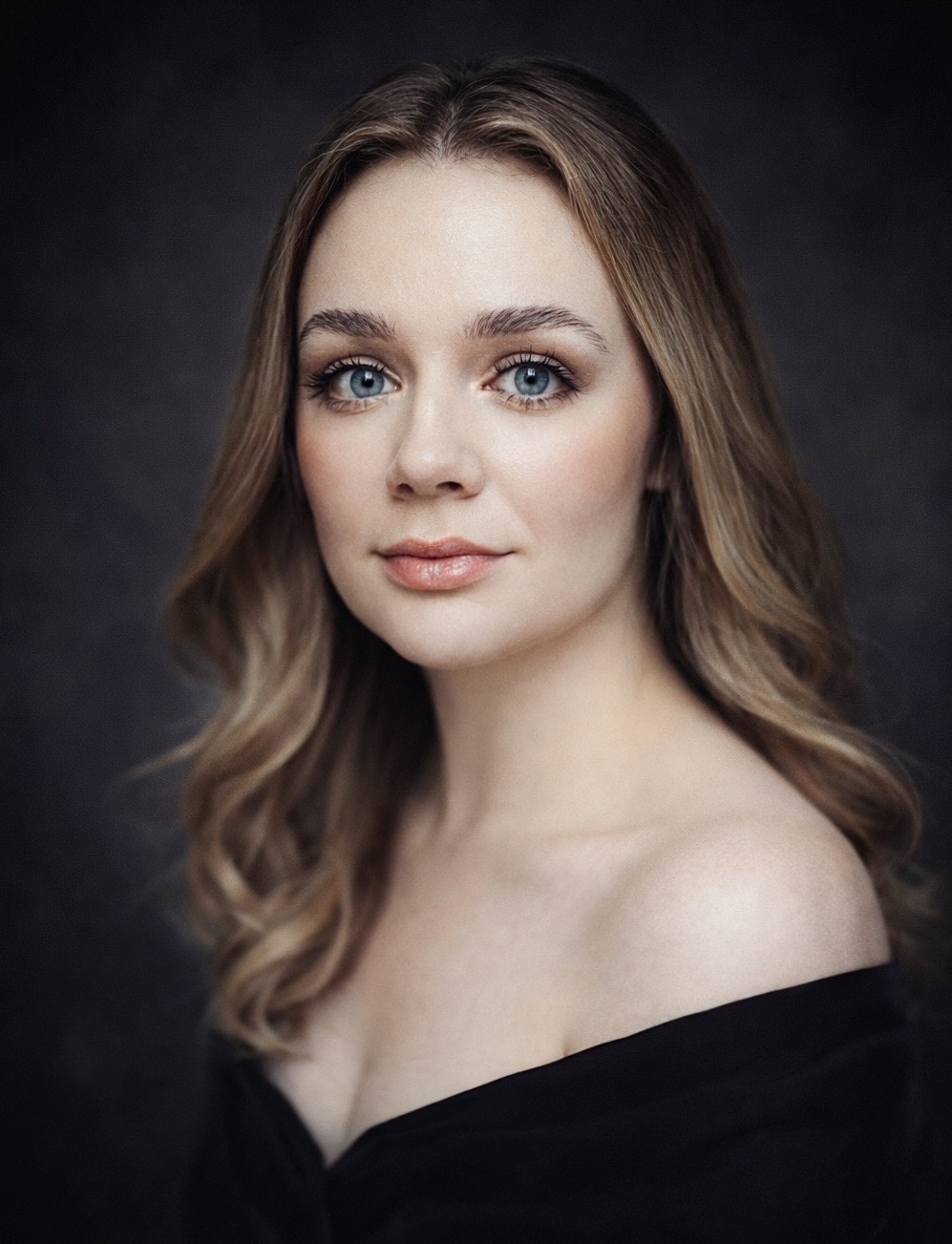
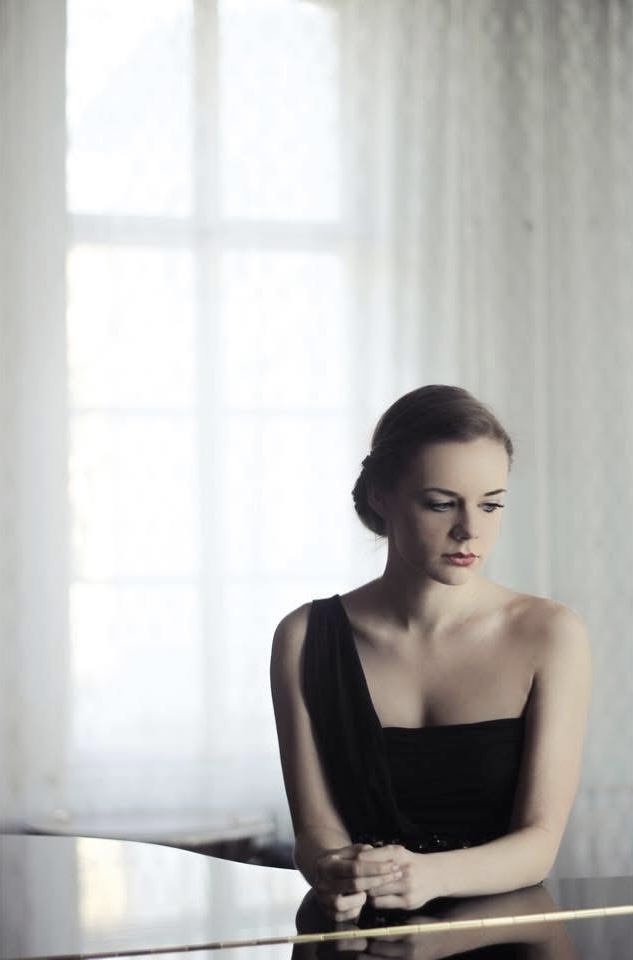
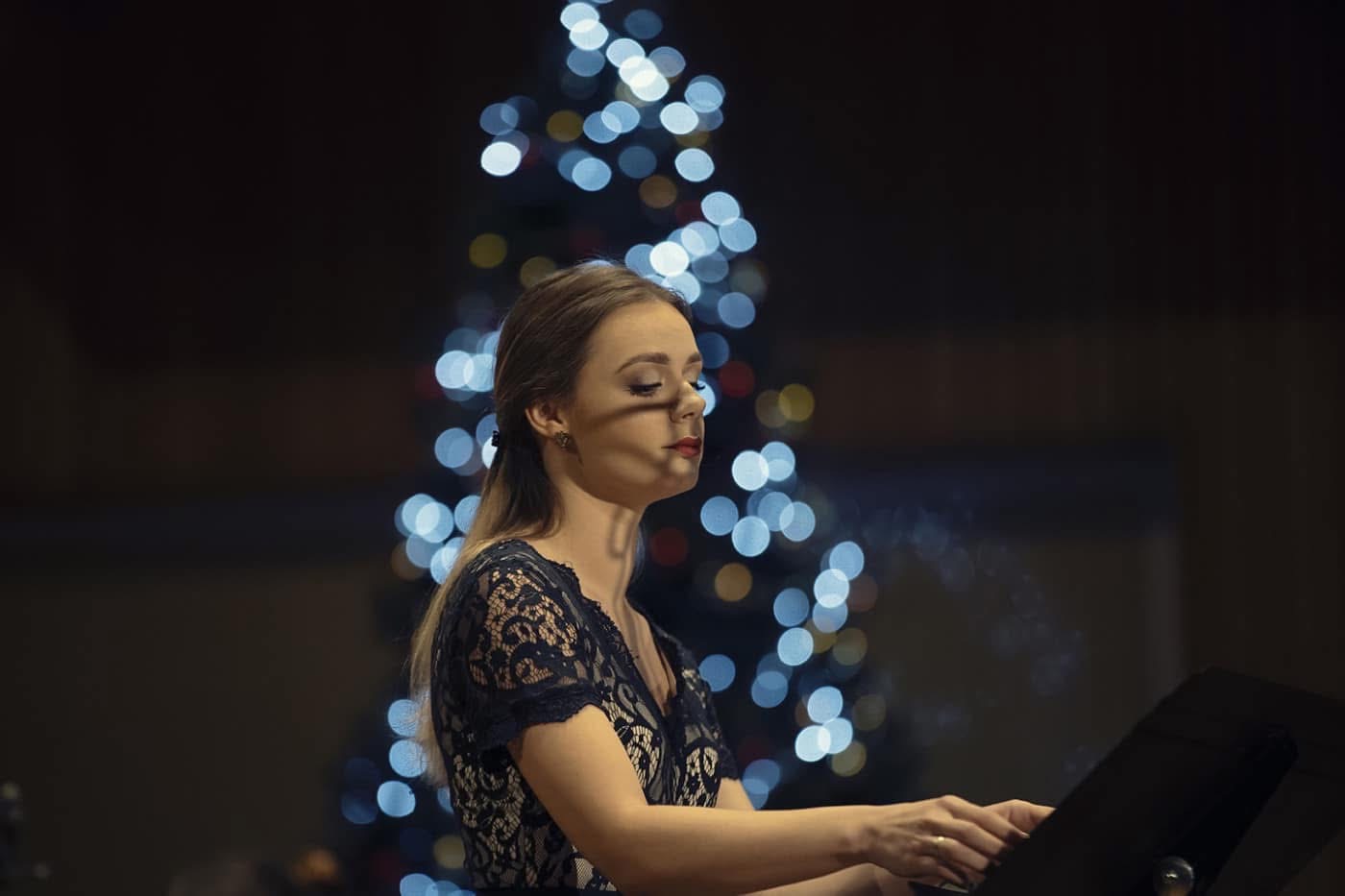
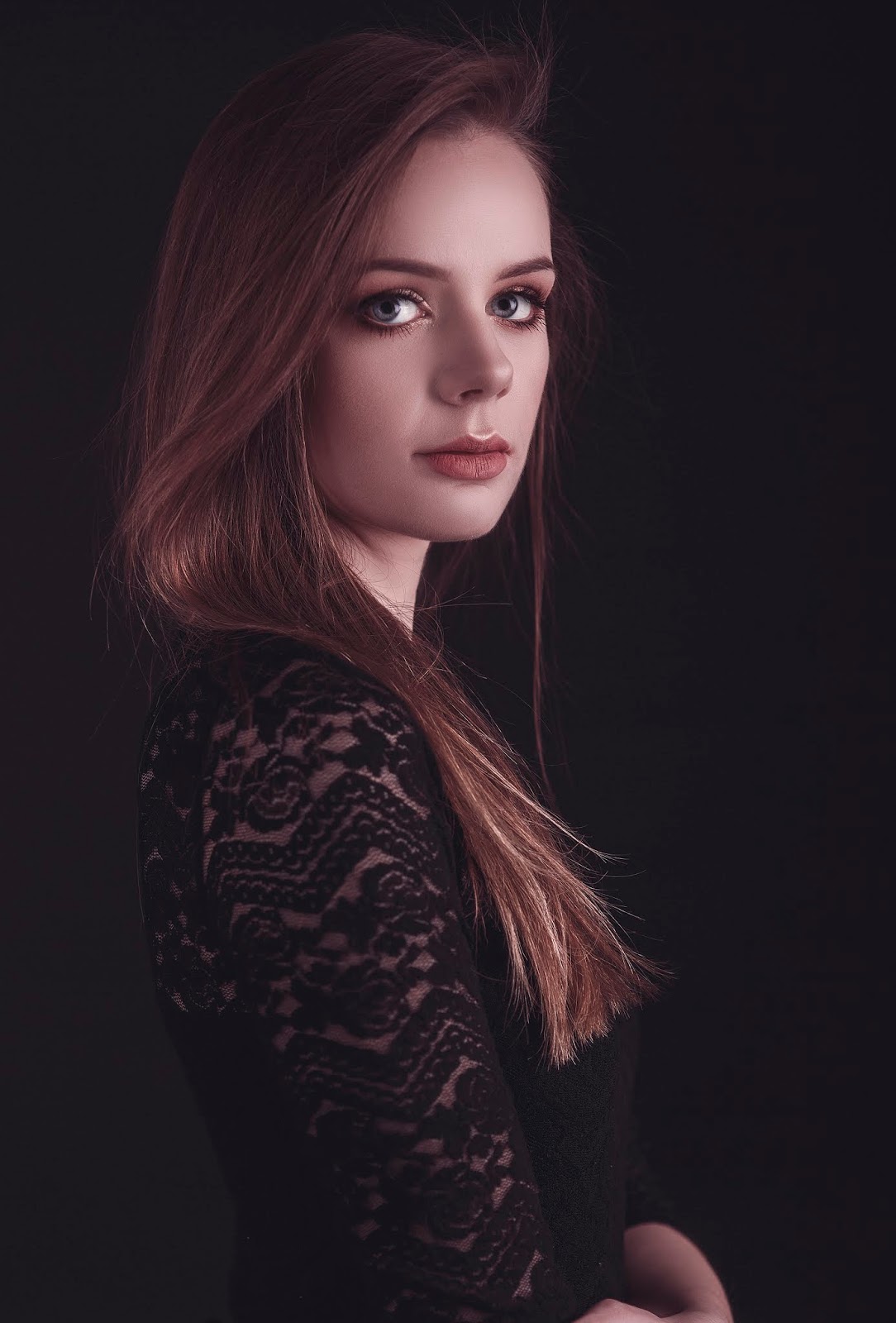
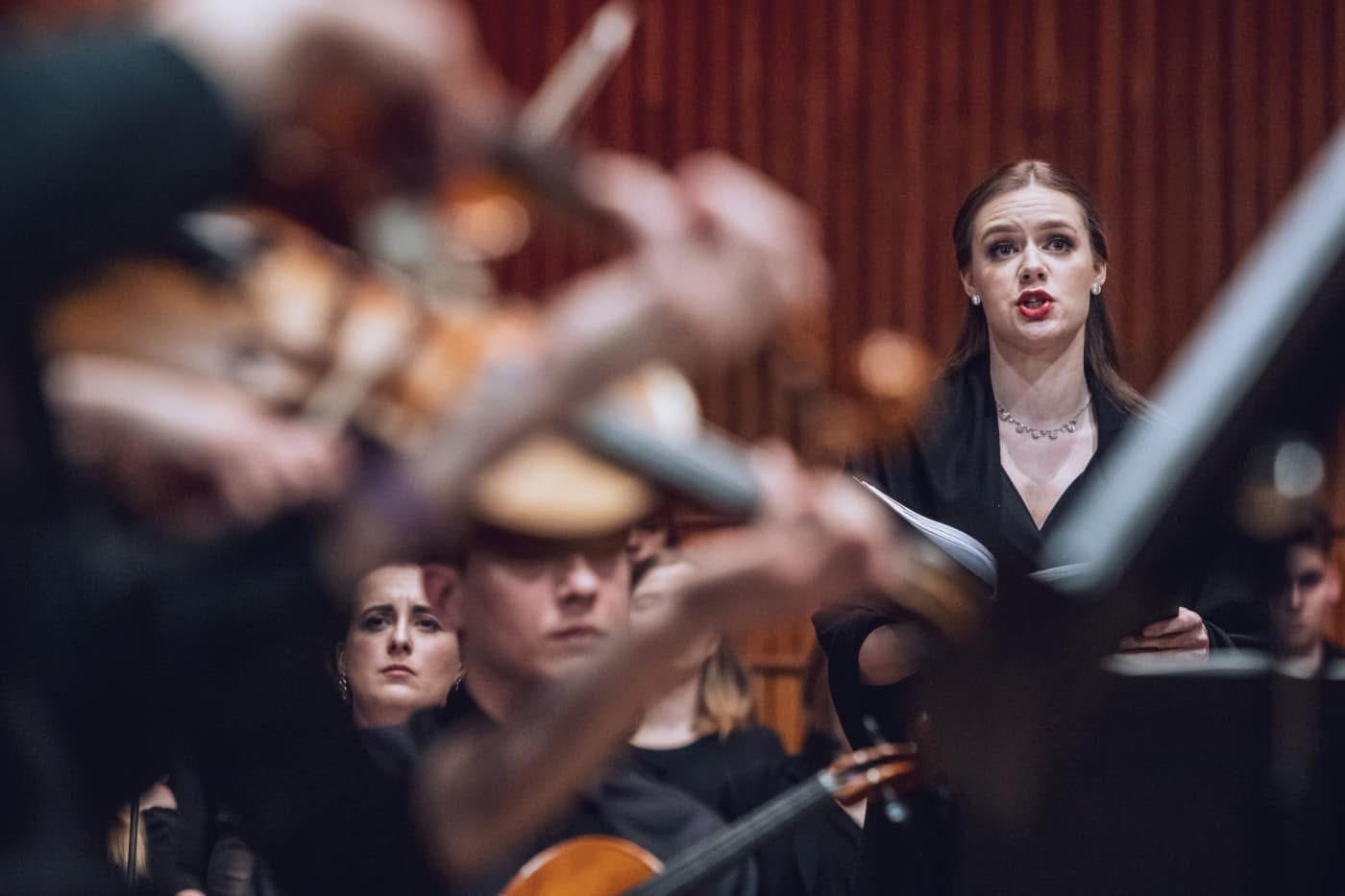
Gabriela Wodiczko-Mosur is a soprano whose artistic work is centred on early music performance. Her repertoire spans from the Renaissance and Baroque to the Romantic Lied, united by a deep sensitivity to the word and a conviction that music and text form an inseparable whole. It is in oratorio and cantata — genres in which this relationship is most demanding and most expressive — that she finds the heart of her artistic activity.
Her musical education is exceptionally wide-ranging. Alongside her vocal studies, she pursued music theory at the Academy of Music I.J. Paderewski in Poznań — an experience that shaped her analytical approach to interpretation and gave her the tools for in-depth work with musical texts. She studied singing at the Academy of Music Feliks Nowowiejski in Bydgoszcz and at the Fryderyk Chopin University of Music in Warsaw. She is currently completing a Master's degree in Vocal Performance at the Schola Cantorum Basiliensis in Basel — one of the world's leading institutions for historically informed performance — in the class of Prof. Rosa Dominguez.
Her operatic debut was as Barbarina in Mozart's Le nozze di Figaro at Opera Nova in Bydgoszcz. While early music remains her primary field, she is equally drawn to the German Romantic Lied, in which she discovers a similar depth of relationship between poetic word and musical phrase.
During her studies she has participated in numerous masterclasses and workshops led by distinguished artists and teachers, and has had the opportunity to work with renowned conductors specialising in historically informed performance, among them Masaaki Suzuki and Andrea Marcon. She regularly collaborates with early music ensembles on concert projects across Europe.
One question recurs throughout her artistic search: how to make music speak with the same force and precision as words. She seeks the answer not only in the voice, but in the entire performance tradition she continues to explore.
Gabriela Wodiczko-Mosur ist eine Sopranistin, deren künstlerische Tätigkeit sich vor allem auf die Aufführung Alter Musik konzentriert. Ihr Repertoire reicht von der Renaissance und dem Barock bis zum romantischen Lied – verbunden durch eine tiefe Sensibilität für das Wort und die Überzeugung, dass Musik und Text ein untrennbares Ganzes bilden. In Oratorien und Kantaten – Gattungen, in denen dieses Verhältnis am anspruchsvollsten und zugleich ausdrucksstärksten ist – findet sie den Kern ihrer künstlerischen Arbeit.
Ihre musikalische Ausbildung ist außergewöhnlich breit angelegt. Parallel zu ihren Gesangsstudien vertiefte sie ihr Wissen in der Musiktheorie an der Musikakademie I.J. Paderewski in Posen – eine Erfahrung, die ihren analytischen Zugang zur Interpretation geprägt und ihr Werkzeuge für die eingehende Arbeit mit musikalischen Texten gegeben hat. Ihren Gesang studierte sie an der Musikakademie Feliks Nowowiejski in Bydgoszcz und an der Fryderyk-Chopin-Universität für Musik in Warschau. Derzeit schließt sie einen Master-Abschluss im Bereich Gesang an der Schola Cantorum Basiliensis in Basel ab – einer der weltweit renommiertesten Institutionen für historisch informierte Aufführungspraxis – in der Klasse von Prof. Rosa Dominguez.
Ihr Operndebüt gab sie als Barbarina in Mozarts Le nozze di Figaro an der Opera Nova in Bydgoszcz. Obwohl die Alte Musik ihr Hauptbetätigungsfeld bleibt, widmet sie sich mit gleicher Leidenschaft dem deutschen romantischen Lied, in dem sie eine ähnliche Tiefe in der Beziehung zwischen poetischem Wort und musikalischer Phrase entdeckt.
Im Laufe ihrer Ausbildung nahm sie an zahlreichen Meisterkursen und Workshops teil, die von herausragenden Künstlern und Pädagogen geleitet wurden. Sie hatte auch die Gelegenheit, mit anerkannten Dirigenten zusammenzuarbeiten, die sich auf historisch informierte Aufführungspraxis spezialisiert haben, darunter Masaaki Suzuki und Andrea Marcon. Sie arbeitet regelmäßig mit Ensembles für Alte Musik zusammen und realisiert Konzertprojekte in ganz Europa.
In ihrer künstlerischen Suche kehrt stets eine Frage zurück: Wie lässt sich Musik dazu bringen, mit derselben Kraft und Präzision zu sprechen wie das Wort? Die Antwort sucht sie nicht nur in der Stimme, sondern in der gesamten Aufführungstradition, die sie unaufhörlich erforscht.
Gabriela Wodiczko-Mosur jest sopranistką, której artystyczna działalność koncentruje się głównie na wykonawstwie muzyki dawnej. Jej repertuar rozciąga się od renesansu i baroku po pieśń romantyczną, a wszystko łączy wspólna nić: głęboka wrażliwość na słowo i przekonanie, że muzyka i tekst tworzą nierozłączną całość. To właśnie w dziełach oratoryjnych i kantatowych – gatunkach, w których ta relacja jest najbardziej wymagająca i zarazem najbardziej wyrazista – odnajduje centrum swojej działalności artystycznej.
Jej wykształcenie muzyczne jest wyjątkowo wszechstronne. Równolegle ze studiami wokalnymi zgłębiała teorię muzyki w Akademii Muzycznej im. I.J. Paderewskiego w Poznaniu – doświadczenie, które ukształtowało jej analityczne podejście do interpretacji i dało narzędzia do pogłębionej pracy z tekstem muzycznym. Studia wokalne odbyła w Akademii Muzycznej im. Feliksa Nowowiejskiego w Bydgoszczy oraz na Uniwersytecie Muzycznym Fryderyka Chopina w Warszawie. Zwieńczeniem tej drogi są dobiegające końca studia magisterskie w zakresie śpiewu solowego w Schola Cantorum Basiliensis w Bazylei – uczelni o światowej renomie w dziedzinie historycznie poinformowanego wykonawstwa – gdzie kształci się w klasie prof. Rosy Dominguez.
Na scenie operowej zadebiutowała jako Barbarina w Le nozze di Figaro Mozarta w Operze Nova w Bydgoszczy. Choć muzyka dawna pozostaje jej głównym obszarem działalności, z równą pasją sięga po niemiecką pieśń romantyczną, w której odkrywa podobną głębię relacji między poetyckim słowem a muzyczną frazą.
W trakcie swojej edukacji uczestniczyła w licznych kursach mistrzowskich i warsztatach prowadzonych przez wybitnych artystów oraz pedagogów. Miała również okazję współpracować z uznanymi muzykami i dyrygentami specjalizującymi się w historycznie poinformowanym wykonawstwie, wśród których znajdują się m.in. Masaaki Suzuki oraz Andrea Marcon. Regularnie współpracuje z zespołami specjalizującymi się w muzyce dawnej, realizując projekty koncertowe w całej Europie.
W jej artystycznych poszukiwaniach powraca jedno pytanie: jak sprawić, by muzyka mówiła z taką samą siłą i precyzją, z jaką mówi słowo. Odpowiedzi szuka nie tylko w głosie, ale w całej tradycji wykonawczej, którą nieustannie zgłębia.
Calendar
Concerts
No upcoming concerts announced yet. Check back soon.
23 May
2026
Private Concert with Melograno
Birthday celebration
Solothurn, Switzerland
15 May
2026
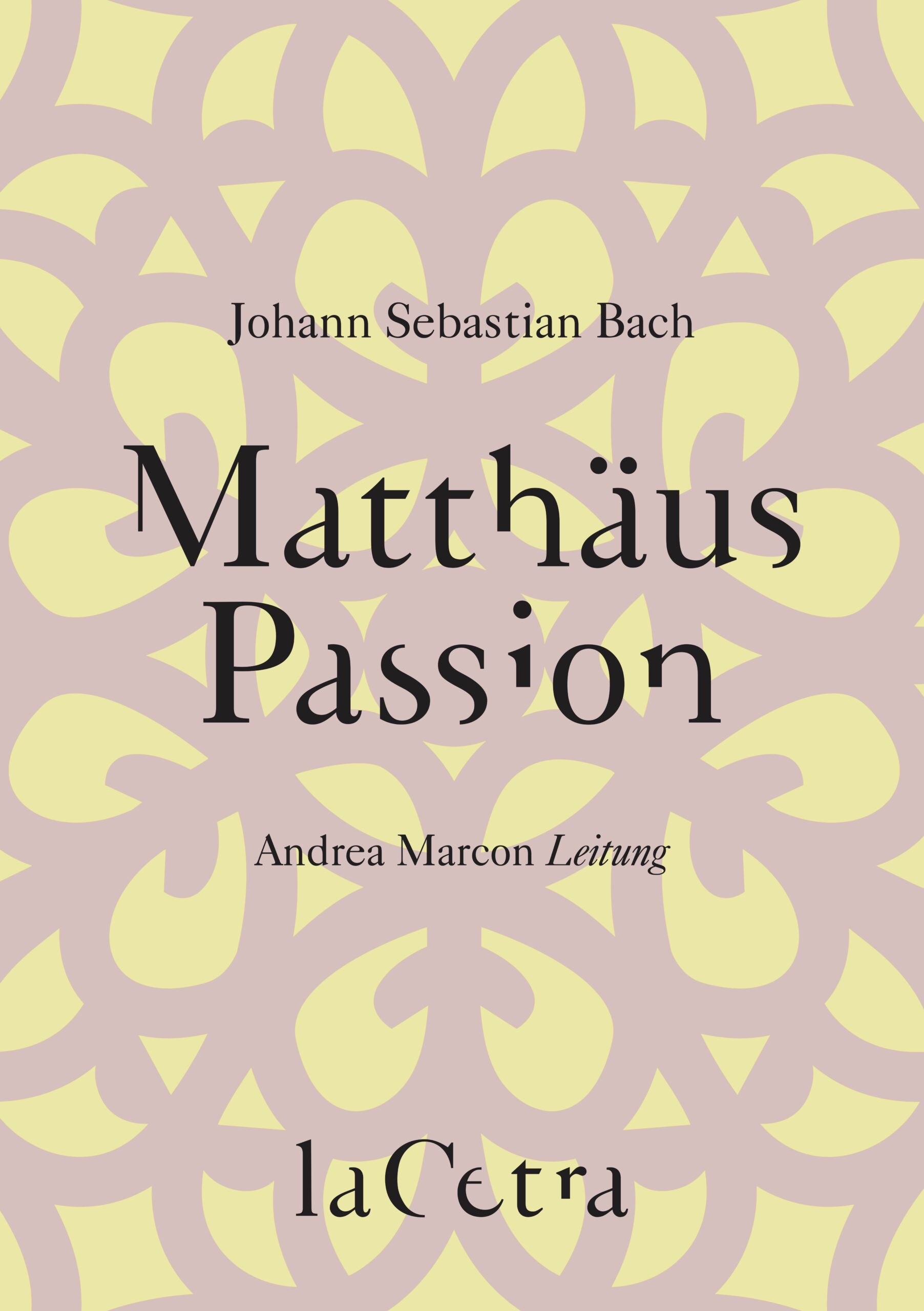
J. S. Bach: Matthäus Passion
La Cetra Basel · Bach Festival Schaffhausen
Schaffhausen, Switzerland · 17:00
30 March
2026
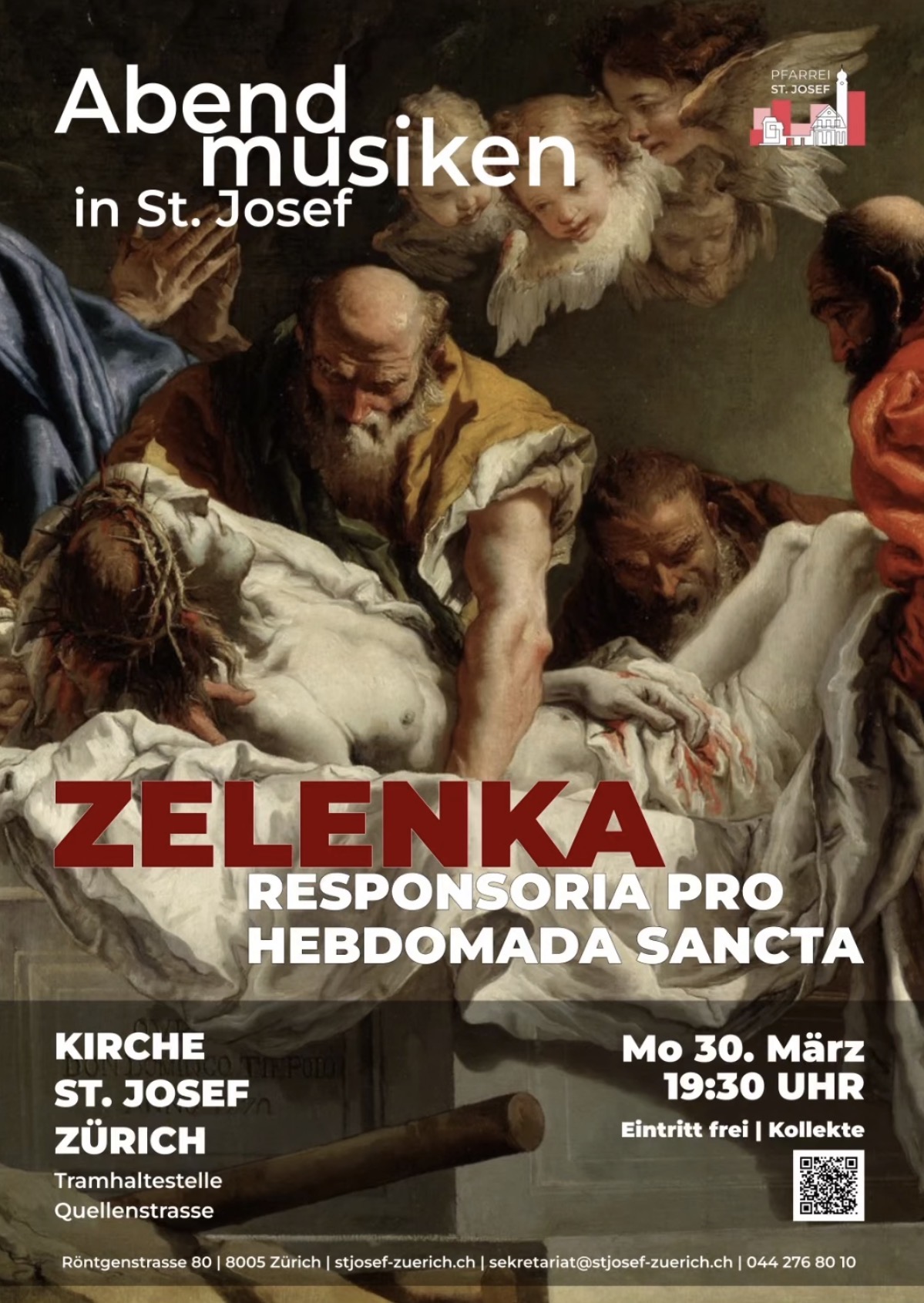
Zelenka: Responsoria pro Hebdomada Sancta
Abendmusiken in St. Josef
Kirche St. Josef, Zürich · 19:30
13 March
2026
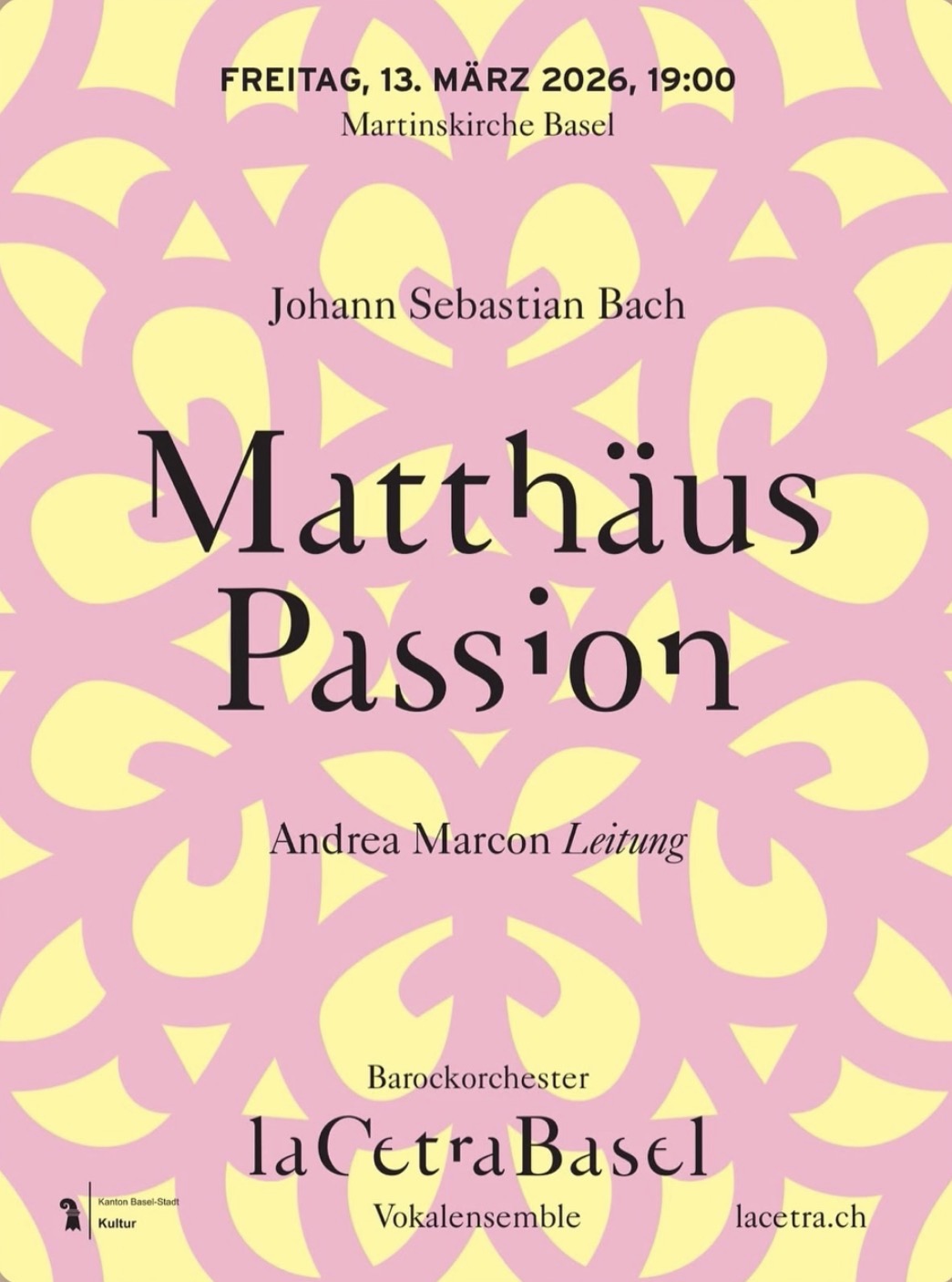
J. S. Bach: Matthäus Passion
La Cetra Basel · Schola Cantorum Basiliensis
Martinskirche, Basel · 19:00